


>>> a/c system flush <<<


Thread Starter
Registered User


Joined: Oct 2005
Posts: 6,457
Likes: 95
From: KENTUCKY
 >>> a/c system flush <<<
What is the procedure and what do I use to flush out the A/C system prior to applying a vacuum and charge.
A couple of our trucks have gotten to the point that they don't cool very well when a gauge shows proper refrigerant charge.
Changing driers has not helped.
I tend to believe that the system on those trucks is in need of a good internal cleaning to get out that black gook.
NOTE: All work performed is assuming a politically correct evacuation of the system.
Can I simply dis-connect the hoses at the evaporator and condenser and flush them out while mounted; or, should I remove those units for flushing ??
What do I use ??
Thanks.
A couple of our trucks have gotten to the point that they don't cool very well when a gauge shows proper refrigerant charge.
Changing driers has not helped.
I tend to believe that the system on those trucks is in need of a good internal cleaning to get out that black gook.
NOTE: All work performed is assuming a politically correct evacuation of the system.
Can I simply dis-connect the hoses at the evaporator and condenser and flush them out while mounted; or, should I remove those units for flushing ??
What do I use ??
Thanks.

Registered User
Joined: Mar 2010
Posts: 7,265
Likes: 1,346
From: Prince George, BC
I think at most independent A/C shops you can buy a system flush fluid. Me I use acetone, or lacquer thinner. I just break the system down into small components. So disconnect the lines from the evaporator and condenser and flush them out separately.
I like to hook up a hose and funnel to pour the fluid into the line, then use compressed air to blow it through and then have a hose and an empty milk jug to catch all the guff coming out. Do this several times and then run air through the parts just cleaned to make sure all the residue has evaporated off.
Then new seals and button it back up. Then you will need to make sure you install the proper oil back into the system before you recharge.
I like to hook up a hose and funnel to pour the fluid into the line, then use compressed air to blow it through and then have a hose and an empty milk jug to catch all the guff coming out. Do this several times and then run air through the parts just cleaned to make sure all the residue has evaporated off.
Then new seals and button it back up. Then you will need to make sure you install the proper oil back into the system before you recharge.

Thread Starter
Registered User
Joined: Oct 2005
Posts: 6,457
Likes: 95
From: KENTUCKY
Thread Starter
Registered User
Joined: Oct 2005
Posts: 6,457
Likes: 95
From: KENTUCKY
I think at most independent A/C shops you can buy a system flush fluid. Me I use acetone, or lacquer thinner. I just break the system down into small components. So disconnect the lines from the evaporator and condenser and flush them out separately.
I like to hook up a hose and funnel to pour the fluid into the line, then use compressed air to blow it through and then have a hose and an empty milk jug to catch all the guff coming out. Do this several times and then run air through the parts just cleaned to make sure all the residue has evaporated off.
Then new seals and button it back up. Then you will need to make sure you install the proper oil back into the system before you recharge.
I like to hook up a hose and funnel to pour the fluid into the line, then use compressed air to blow it through and then have a hose and an empty milk jug to catch all the guff coming out. Do this several times and then run air through the parts just cleaned to make sure all the residue has evaporated off.
Then new seals and button it back up. Then you will need to make sure you install the proper oil back into the system before you recharge.
That sounds like something I can accomplish.
Thanks a bunch.
Thread Starter
Registered User
Joined: Oct 2005
Posts: 6,457
Likes: 95
From: KENTUCKY
Registered User
Joined: Mar 2010
Posts: 7,265
Likes: 1,346
From: Prince George, BC
Trending Topics

Registered User
Joined: Aug 2009
Posts: 488
Likes: 0
From: Kamloops BC
all this advise is bad
use compressed air? ***
what does the vaccum pump pull down to when evacuating? tell me how many microns.
there is a flush called r11x or something like that that is the only thing id recomend using and iam 99% sure you dont need it.
likely you have no condesibles in the system
remove condenser/evaporator lines and blow nitrogen through them to remove old oil and check for blockage. remove compressor drain oil
re fill with compressor manufactur spec oil....likey PAG
re install and hook everything back up using new o-rings/seals
and new drier
add nitrogen to high side and watch lowside guage increase.....checking metering device..
evacuate to 500micron,
add nitrpgen (purged)
and repeat 3x
finally add BY weight NOT sight glasscorrect charge
approx 80% if converted
high idle fan on you should not see more then 225 psi high ambient
evacuate to 500 microns
use compressed air? ***
what does the vaccum pump pull down to when evacuating? tell me how many microns.
there is a flush called r11x or something like that that is the only thing id recomend using and iam 99% sure you dont need it.
likely you have no condesibles in the system
remove condenser/evaporator lines and blow nitrogen through them to remove old oil and check for blockage. remove compressor drain oil
re fill with compressor manufactur spec oil....likey PAG
re install and hook everything back up using new o-rings/seals
and new drier
add nitrogen to high side and watch lowside guage increase.....checking metering device..
evacuate to 500micron,
add nitrpgen (purged)
and repeat 3x
finally add BY weight NOT sight glasscorrect charge
approx 80% if converted
high idle fan on you should not see more then 225 psi high ambient
evacuate to 500 microns

Registered User
Joined: Dec 2010
Posts: 622
Likes: 0
He's an ac tech I think ^^^^^^^.
I don't have a problem with compressed air if there is a good oil separator on the line I'm using. Nitrogen is better (cleaner), but who has that in the garage?
Will blowing either nitrogen or clean compressed air really remove all the old stuff nastiness without some kind of solvent?
I'm interested, had a compressor blow up a few days ago.
I don't have a problem with compressed air if there is a good oil separator on the line I'm using. Nitrogen is better (cleaner), but who has that in the garage?
Will blowing either nitrogen or clean compressed air really remove all the old stuff nastiness without some kind of solvent?
I'm interested, had a compressor blow up a few days ago.
Registered User
Joined: Mar 2010
Posts: 7,265
Likes: 1,346
From: Prince George, BC
He's an ac tech I think ^^^^^^^.
I don't have a problem with compressed air if there is a good oil separator on the line I'm using. Nitrogen is better (cleaner), but who has that in the garage?
Will blowing either nitrogen or clean compressed air really remove all the old stuff nastiness without some kind of solvent?
I'm interested, had a compressor blow up a few days ago.
I don't have a problem with compressed air if there is a good oil separator on the line I'm using. Nitrogen is better (cleaner), but who has that in the garage?
Will blowing either nitrogen or clean compressed air really remove all the old stuff nastiness without some kind of solvent?
I'm interested, had a compressor blow up a few days ago.
I think so too...and the directions he's given are good. But I'm just a back yard hack so, as many, make due with what we have. I have a friend of mine who is an A/C and Rad guy recharge my systems. I told him what I did to clean out the system, he did not think it would cause many problems.
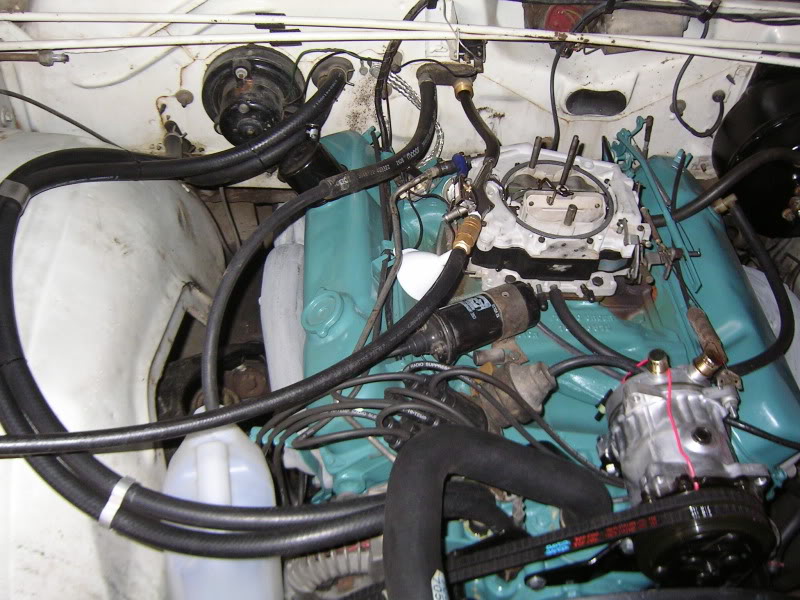
Here are a couple pics of what I did on my 68 Chrysler wagon...
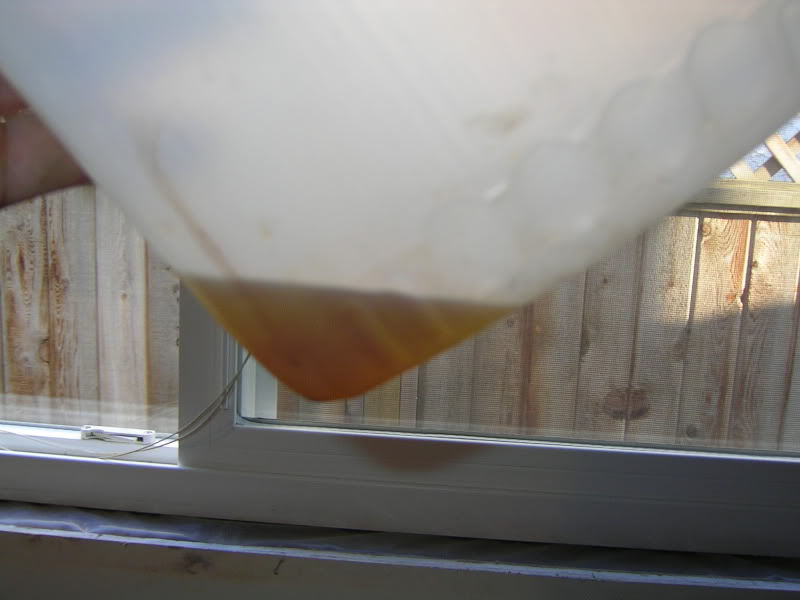
And the guff that came out the first time....

Administrator

Joined: Nov 2004
Posts: 4,084
Likes: 235
From: Southern California
He's an ac tech I think ^^^^^^^.
I don't have a problem with compressed air if there is a good oil separator on the line I'm using. Nitrogen is better (cleaner), but who has that in the garage?
Will blowing either nitrogen or clean compressed air really remove all the old stuff nastiness without some kind of solvent?I'm interested, had a compressor blow up a few days ago.
I don't have a problem with compressed air if there is a good oil separator on the line I'm using. Nitrogen is better (cleaner), but who has that in the garage?
Will blowing either nitrogen or clean compressed air really remove all the old stuff nastiness without some kind of solvent?I'm interested, had a compressor blow up a few days ago.
You can get it at any welding supply.
Also flushing solvents are available at Auto Zone and probably Napa.
Jim
Registered User
Joined: Mar 2010
Posts: 7,265
Likes: 1,346
From: Prince George, BC
But using compressed air is really no different then opening up the A/C system to the environment and replacing the O-rings and dryer. That is why they vacuum down the system for 30 minutes or so, to boil off any inert gasses or moisture.
Atmospheric or compressed air...it's still air.
Atmospheric or compressed air...it's still air.
Thread Starter
Registered User
Joined: Oct 2005
Posts: 6,457
Likes: 95
From: KENTUCKY
But using compressed air is really no different then opening up the A/C system to the environment and replacing the O-rings and dryer. That is why they vacuum down the system for 30 minutes or so, to boil off any inert gasses or moisture.
Atmospheric or compressed air...it's still air.
Atmospheric or compressed air...it's still air.
That has always been my understanding.
I have never before heard of a micron rating on a vacuum-pump; they draw down to 29"mercury and that is as far as possible.
Draw down to 29"HG and leave it there for a while; I have known my heating/cooling uncle to leave the pump on various units over-night.
As far as nitrogen is concerned, I am sure that the store-bought stuff in a cylinder is best, but the air around us is almost all nitrogen, which is why the new "fad" about inflating tires with nitrogen is all snake-oil.

Registered User
Joined: Jun 2005
Posts: 59
Likes: 0
From: texas
while nitrogen is good in a oxygen free enviornment for 99.999999 percent of normal people compressed air is good enough for cleaning out an ac system (maybe not nasa though). Use an ac flush from any auto repair parts house and blow the lines out. if there has been a compressor failure or if the drier has come apart or a line has internally come apart then i would recommend doing it more then one time. obviously this is where commen sense comes in......if the fluid is dirty continue to flush it. after you flush it make sure to put the proper amount of oil back into the system and not just refrigerant. also depending on the temp where you are is how long you have to pull a vac on the system. the hotter it is the less time it is going to take to boil the moisture out of the system. if in doubt let if sit on there longer--more time here doesent hurt anything and will actually help you out in the long run. the less moisture the better. def. not rocket science........
Registered User
Joined: Jun 2005
Posts: 59
Likes: 0
From: texas
That has always been my understanding.
I have never before heard of a micron rating on a vacuum-pump; they draw down to 29"mercury and that is as far as possible.
Draw down to 29"HG and leave it there for a while; I have known my heating/cooling uncle to leave the pump on various units over-night.
As far as nitrogen is concerned, I am sure that the store-bought stuff in a cylinder is best, but the air around us is almost all nitrogen, which is why the new "fad" about inflating tires with nitrogen is all snake-oil.
I have never before heard of a micron rating on a vacuum-pump; they draw down to 29"mercury and that is as far as possible.
Draw down to 29"HG and leave it there for a while; I have known my heating/cooling uncle to leave the pump on various units over-night.
As far as nitrogen is concerned, I am sure that the store-bought stuff in a cylinder is best, but the air around us is almost all nitrogen, which is why the new "fad" about inflating tires with nitrogen is all snake-oil.